🔑 Key Takeaways
- Malaysian cuisine already contains powerful longevity foods — tempeh, turmeric, fermented foods, and wild-caught fish rival anything in the Blue Zones
- The biggest longevity killers in Malaysian diet are excess sugar in drinks (teh tarik, kopi), refined carbs, and deep-fried foods consumed daily
- Simple hawker food swaps can dramatically improve your longevity profile without sacrificing flavour
- A longevity-focused diet in Malaysia costs approximately RM 12–18/day — barely more than a standard diet
- The key isn't eliminating Malaysian food — it's shifting ratios: more vegetables, more fermented foods, less sugar, less refined carbs
⚕️ Medical Disclaimer: This article is for informational purposes only and does not constitute medical or nutritional advice. Dietary changes should be discussed with your healthcare provider, especially if you have diabetes, kidney disease, or other chronic conditions. Individual nutritional needs vary.
When Blue Zones Meet Malaysian Cuisine
The Blue Zones — regions where people routinely live past 100 — share common dietary patterns: plant-heavy diets, legumes as a cornerstone, minimal processed food, moderate calories, and abundant fermented foods. The remarkable thing? Malaysian cuisine already has many of these elements.
We have tempeh (fermented soy — a Blue Zone staple). Turmeric in practically everything (one of the most studied anti-inflammatory compounds). An incredible variety of leafy greens (ulam, kangkung, bayam). Fresh fish from two coastlines. Fermented condiments like belacan, tempoyak, and tapai.
The problem isn't our ingredients — it's what we do with them. We deep-fry everything. We add sugar to every drink. We eat white rice three times a day. And we've replaced traditional cooking with processed convenience food.
This guide maps Blue Zone longevity principles onto Malaysian food culture — so you can eat for a longer, healthier life without abandoning the flavours you love.
The Best Malaysian Foods for Longevity
1. Tempeh — Malaysia's Blue Zone Superfood
Tempeh is fermented soy — and fermented soy is consumed daily in Okinawa, the Japanese Blue Zone. Malaysian tempeh is typically made from whole soybeans, giving it a complete amino acid profile plus probiotics, isoflavones, and B-vitamins. The fermentation process also breaks down phytic acid, making minerals more bioavailable.
Longevity benefit: Anti-inflammatory, gut microbiome support, plant-based protein, cardiovascular protection.
How to eat it: Steamed or lightly pan-fried (not deep-fried goreng). Tempeh bakar (grilled) with sambal is excellent. Aim for 3–4 servings per week.
2. Turmeric (Kunyit) — The Anti-Inflammatory Powerhouse
Curcumin, the active compound in turmeric, has thousands of studies supporting anti-inflammatory, antioxidant, and neuroprotective properties. Malaysian cooking uses fresh turmeric extensively — in curries, nasi kunyit, jamu drinks, and rendang pastes.
Longevity benefit: Reduces chronic inflammation (the root driver of ageing), supports brain health, may reduce cancer risk.
Pro tip: Always consume turmeric with black pepper (piperine increases curcumin absorption by 2,000%) and fat (curcumin is fat-soluble). Traditional Malaysian curries naturally combine all three — turmeric, pepper, and coconut milk.
3. Leafy Greens & Ulam
Malaysia's ulam tradition — eating raw herbs and greens — is genuinely exceptional. Pegaga (centella asiatica), ulam raja, daun kesum, daun selom, and petai are packed with polyphenols, chlorophyll, and micronutrients that decline in cooked vegetables.
Longevity benefit: High antioxidant density, improved gut health, reduced oxidative stress.
Goal: Include ulam or leafy greens with at least two meals daily. The Kelantan tradition of ulam with every rice meal is a longevity practice worth adopting.
4. Fresh Fish — Omega-3 From Two Coastlines
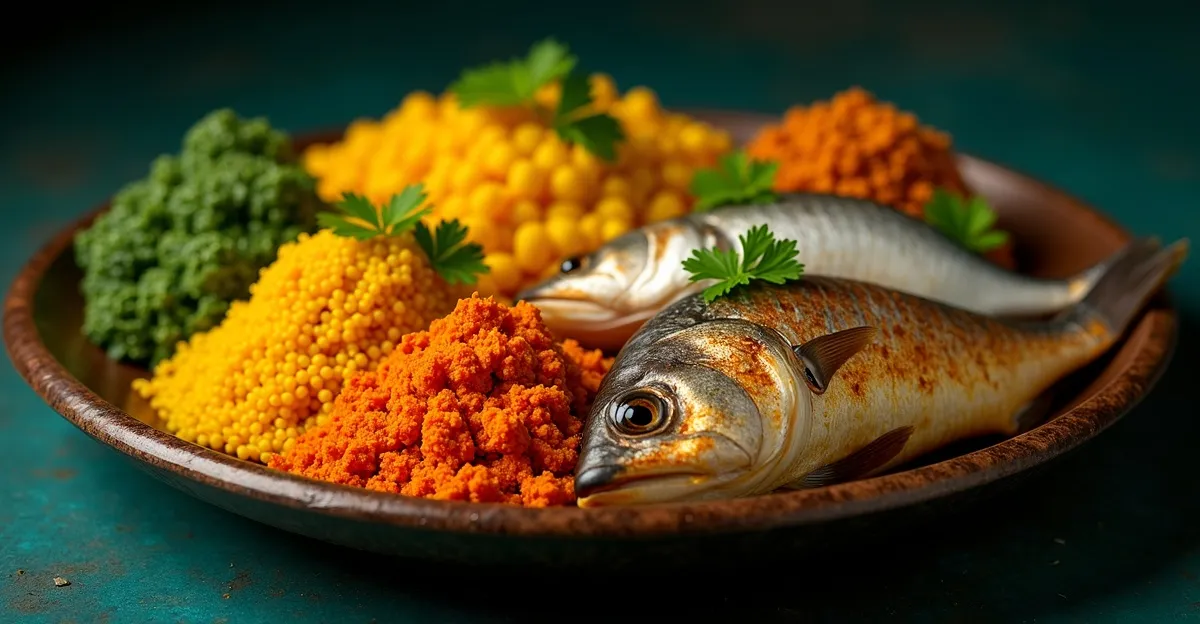
Wild-caught ikan kembung (mackerel), ikan tenggiri, sardin, and ikan bawal are rich in omega-3 fatty acids. Coastal Malaysians who eat fish 4–5 times per week have better cardiovascular markers than inland populations relying on poultry and red meat.
Longevity benefit: Anti-inflammatory omega-3s, brain health, cardiovascular protection.
Best preparation: Steamed (ikan stim), grilled (ikan bakar), or in clear soup (sup ikan). Avoid fried fish daily.
5. Fermented Foods
Beyond tempeh, Malaysian cuisine features budu (fermented fish sauce), tempoyak (fermented durian), tapai (fermented rice/tapioca), and various fermented vegetable preparations. These provide natural probiotics that support gut microbiome diversity — increasingly linked to longevity.
The Worst Malaysian Foods for Ageing
1. Sugary Drinks — The #1 Offender
The average Malaysian teh tarik contains 6–8 teaspoons of sugar. Multiply that by 2–3 cups daily, plus an iced Milo, bandung, or sirap — and you're consuming 40–60g of added sugar just from beverages. This drives insulin resistance, inflammation, glycation (AGEs that literally age your skin and organs), and visceral fat accumulation.
The swap: Teh-O kosong, kopi-O kosong, Chinese tea, or plain water. Even "kurang manis" (less sweet) cuts sugar by 50%.
2. Daily Deep-Fried Foods
Goreng pisang, cucur udang, ikan goreng, ayam goreng, nasi goreng — frying is Malaysia's default cooking method. Repeated heating of cooking oil generates aldehydes, acrylamide, and trans fats that accelerate cellular ageing and increase cancer risk.
The swap: Grilled, steamed, or air-fried alternatives. Have fried food as an occasional treat (1–2 times/week), not a daily staple.
3. Processed Meats
Nuggets, sausages, luncheon meat, hot dogs — cheap and convenient, but classified as Group 1 carcinogens by WHO. The preservatives (nitrites, nitrates) and processing methods generate compounds linked to colorectal cancer and cardiovascular disease.
The swap: Fresh chicken, fish, eggs, or tempeh. Even canned sardines are far superior to processed meats.
4. Excessive White Rice
White rice isn't inherently evil, but the Malaysian habit of making it 60–70% of every meal is problematic. It's a high-glycaemic food that spikes blood sugar repeatedly. A 2012 BMJ meta-analysis found that each additional daily serving of white rice increased type 2 diabetes risk by 11%.
The swap: Reduce portions by half. Mix with brown rice, cauliflower rice, or just eat more lauk (dishes) with less nasi. Even switching to basmati (lower GI) helps.
Longevity Hawker Food Swaps
| Standard Order | Longevity Swap | Why It's Better |
|---|---|---|
| Nasi lemak with fried chicken | Nasi lemak with sambal ikan bilis + egg + extra cucumber | Less deep-fried food, more protein variety, fibre from sambal |
| Teh tarik (sweet) | Teh-O kosong or teh-O kurang manis | Eliminates 6–8 tsp sugar + condensed milk |
| Char kuey teow (regular) | Kuey teow soup with fish balls + greens | Dramatically less oil, no high-heat stir-frying, more vegetables |
| Roti canai + dal | Roti canai kosong (1 piece) + dal + teh-O kosong | Dal is excellent (legumes!). Limit to 1 roti, skip the butter-heavy versions |
| Nasi goreng + fried egg | Steamed rice + stir-fried vegetables + grilled protein | Less refined oil, more nutrient-dense |
| Iced Milo | Chinese tea or barley water (less sugar) | Eliminates ~30g sugar per glass |
| Economy rice (3 fried items) | Economy rice: 1 veg, 1 steamed/braised protein, half rice | Better vegetable:protein:carb ratio |
RM Budget Comparison: Longevity Diet vs Standard Diet
| Meal | Standard Malaysian (RM) | Longevity-Optimised (RM) |
|---|---|---|
| Breakfast | Nasi lemak + teh tarik: RM 5.50 | Half-portion nasi lemak + teh-O kosong: RM 4.50 |
| Lunch | Economy rice (3 fried lauk) + Milo ais: RM 10.00 | Economy rice (2 lauk, 1 veg, less rice) + Chinese tea: RM 8.50 |
| Dinner | Nasi goreng + fried egg + sugary drink: RM 9.00 | Steamed fish + vegetables + brown rice: RM 10.00 |
| Snacks | Goreng pisang + kopi: RM 4.00 | Fresh fruit + nuts: RM 3.50 |
| Daily Total | RM 28.50 | RM 26.50 |
| Monthly Total | RM 855 | RM 795 |
The longevity diet is actually slightly cheaper — primarily because you're drinking less expensive sugary beverages and eating less fried food. If you add targeted longevity supplements like spermidine, budget an additional RM 100–300/month.
Sample Longevity Meal Plan (Malaysian Foods)
Weekday Example
- Breakfast (7am): 2 eggs (any style, minimal oil) + sliced tomato + ulam + teh-O kosong
- Lunch (12:30pm): Economy rice — ikan stim (steamed fish), sayur campur, half portion white rice. Chinese tea.
- Snack (3:30pm): A handful of mixed nuts + green tea
- Dinner (7pm): Home-cooked tempeh goreng (light oil) + kangkung belacan + brown rice + turmeric soup
For those observing Ramadan, adapt these principles to your sahur nutrition plan.
Frequently Asked Questions
Is coconut milk (santan) bad for longevity?
Not necessarily. Coconut milk contains medium-chain triglycerides (MCTs) that are metabolised differently from other saturated fats. The issue is quantity and frequency. Traditional Malaysian dishes used santan sparingly; modern versions are often overly rich. Use it 2–3 times per week, not daily, and choose lighter preparations when possible.
Can I still eat at hawker stalls on a longevity diet?
Absolutely. Hawker food is not the enemy — it's the choices within it. Soup-based dishes, steamed options, grilled meats, economy rice with smart selections, and fish-based meals are all available at most hawker centres. The key changes are reducing fried foods, sugary drinks, and excessive rice portions.
What about durian? It's high in sugar and calories.
Durian is calorie-dense but also contains fibre, potassium, B-vitamins, and unique bioactive compounds. The traditional practice of eating it seasonally (not year-round) and in moderate amounts is perfectly compatible with longevity. Problems arise when people eat 4–5 seeds daily during season while also consuming normal meals.
Is the Malaysian diet worse than Western diets for longevity?
Interestingly, traditional Malaysian cuisine — with its emphasis on spices, fresh herbs, fish, and fermented foods — has many longevity advantages over the standard Western diet. The problem is the modernised Malaysian diet: more processed food, more sugar, more fried food, and less of the traditional herbs and preparations. Going "back to basics" with Malaysian cooking is itself a longevity strategy.
The Bottom Line
You don't need to eat like an Okinawan or a Sardinian to live longer. Malaysian cuisine, in its traditional form, is already rich in longevity-promoting foods — tempeh, turmeric, fresh herbs, fish, and fermented foods. The challenge is filtering out the modern additions that accelerate ageing: excessive sugar, daily deep-frying, processed meats, and oversized rice portions.
The most impactful changes are also the simplest: switch to unsweetened drinks (saves 30–50g sugar/day), eat one more serving of vegetables at each meal, choose grilled or steamed over fried when possible, and include fermented foods regularly. These swaps alone can dramatically shift your metabolic health trajectory — at no extra cost.
Eat Malaysian. Eat traditional. Just eat smarter.
See Also
- CJC-1295 + Ipamorelin: Growth Hormone Peptide Guide — Complete guide to CJC-1295 and Ipamorelin — the most popular growth hormone p...
- GHK-Cu Peptide: Skin, Hair & Healing Benefits Guide — Complete guide to GHK-Cu copper peptide — skin rejuvenation, wound healing, h...
- Zone 2 Cardio: Low-Effort Exercise That Extends Life — Zone 2 cardio — how it builds mitochondrial efficiency, why Peter Attia calls...
Related Articles
- Anti-Aging Supplements Malaysia: Evidence-Ranked Guide
- Autophagy: How to Activate Your Body
- Biological Age Testing in Southeast Asia: Complete Guide
Medical Disclaimer: This content is for informational purposes only and does not constitute medical advice. Always consult a qualified healthcare provider before starting any treatment, supplement regimen, or making changes to your health routine. Individual results may vary, and what works for others may not work for you.