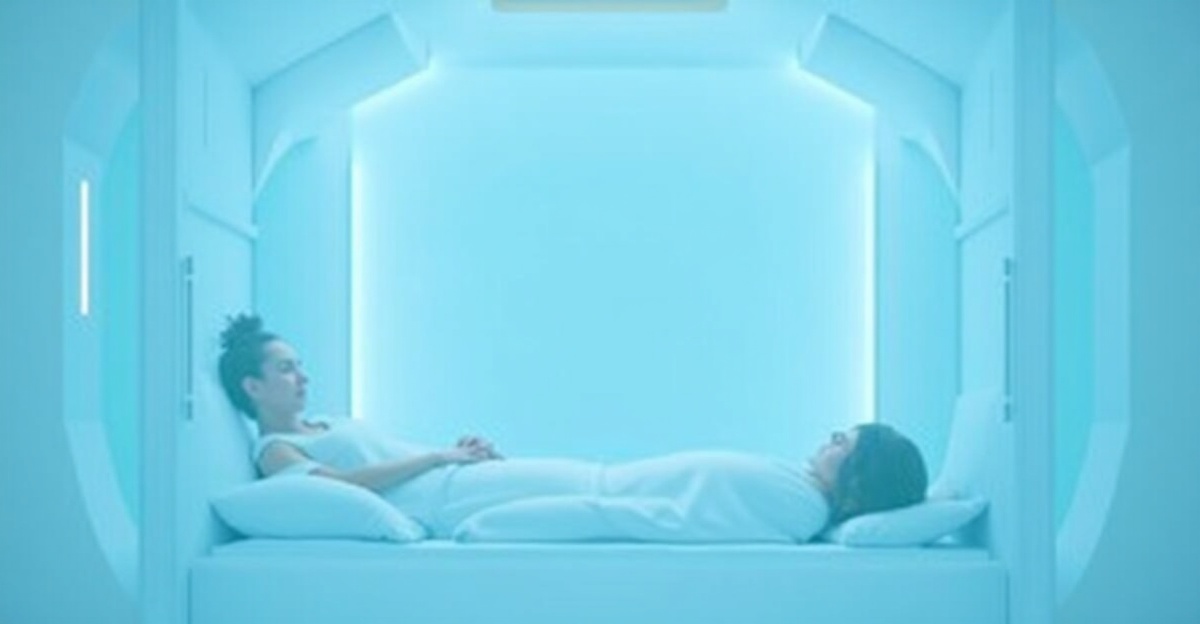
Hyperbaric Oxygen Therapy Malaysia: Benefits, Cost & Clinics
Hyperbaric oxygen therapy (HBOT) has moved from the fringes of wound care into the spotlight of longevity medicine. Once reserved for deep-sea divers with decompression sickness and patients with non-healing diabetic ulcers, HBOT is now being explored by biohackers, athletes, and anti-aging enthusiasts across Malaysia.
But does breathing pressurised oxygen actually deliver on its promises? And where can you access it in Malaysia without breaking the bank? This guide covers the science, the hype, the costs, and the clinics.
What Is Hyperbaric Oxygen Therapy?
HBOT involves breathing 100% pure oxygen (or near-pure oxygen) while inside a pressurised chamber. Normal atmospheric pressure is 1 ATA (atmosphere absolute). During HBOT, pressure is increased to 1.3-3.0 ATA, depending on the indication and type of chamber.
How It Works
Under normal conditions, oxygen is carried primarily by haemoglobin in red blood cells. At higher pressures, significantly more oxygen dissolves directly into blood plasma, cerebrospinal fluid, and tissue fluids — reaching areas that red blood cells can't easily access.
At 2.0 ATA with 100% oxygen, plasma oxygen levels can increase 10-15 times above normal. This hyper-oxygenation triggers several therapeutic mechanisms:
- Angiogenesis: Stimulates the growth of new blood vessels in oxygen-deprived tissues.
- Stem cell mobilisation: Studies show HBOT can increase circulating stem cells by up to 800% after a series of treatments.
- Anti-inflammatory effects: Reduces inflammatory cytokines and oxidative stress markers.
- Enhanced immune function: Oxygen-dependent killing mechanisms of white blood cells are supercharged.
- Collagen synthesis: Fibroblast activity increases, accelerating wound healing and tissue repair.
- Telomere lengthening: A landmark 2020 study (Hadanny et al.) found that repeated HBOT sessions lengthened telomeres by up to 20% and reduced senescent cells by 10-37% in aging adults.
Types of Hyperbaric Chambers
Not all HBOT is created equal. Understanding the differences is critical when evaluating options in Malaysia.
Hard-Shell (Medical Grade) Chambers
- Operate at 1.5-3.0 ATA
- Deliver 100% pure oxygen
- Found in hospitals and dedicated HBOT centres
- Can accommodate monoplace (single person) or multiplace (multiple patients) configurations
- Required for most approved medical indications
- Supervised by trained hyperbaric physicians or technicians
Soft-Shell (Mild) Chambers
- Operate at 1.3-1.5 ATA
- Typically deliver concentrated oxygen (not 100% pure) via mask or cannula
- Available at wellness centres and for home use
- Lower cost and more accessible
- Considered "mild" HBOT — benefits are present but less dramatic than hard-shell treatments
- Not suitable for serious medical conditions
Approved Medical Uses of HBOT
The Undersea and Hyperbaric Medical Society (UHMS) recognises 14 approved indications for HBOT:
- Decompression sickness (the bends)
- Carbon monoxide poisoning
- Non-healing diabetic foot ulcers
- Radiation injury (radiation necrosis)
- Crush injuries and compartment syndrome
- Gas gangrene and necrotising infections
- Compromised skin grafts and flaps
- Chronic refractory osteomyelitis
- Sudden sensorineural hearing loss
- Central retinal artery occlusion
- Severe anaemia (when transfusion is not possible)
- Intracranial abscess
- Thermal burns
- Air or gas embolism
Emerging & Longevity Applications
Beyond approved indications, HBOT is being researched and used off-label for numerous conditions relevant to longevity and optimisation:
Anti-Aging & Longevity
The most exciting longevity research comes from the Tel Aviv University team led by Professor Shai Efrati. Their protocol — 60 sessions of 100% oxygen at 2.0 ATA for 90 minutes each — demonstrated:
- Telomere lengthening of 20-38% in different immune cell populations
- Reduction of senescent ("zombie") cells by 10-37%
- Improved cognitive function in healthy aging adults
- Enhanced cerebral blood flow
These findings have driven significant interest in HBOT as an anti-aging intervention, though the protocol requires a substantial commitment (60 sessions over 3 months).
Cognitive Enhancement & Brain Health
- Improved memory and attention in post-stroke patients
- Enhanced recovery from traumatic brain injury (TBI) and concussion
- Potential benefits for age-related cognitive decline
- Increased BDNF (brain-derived neurotrophic factor) levels
Athletic Recovery & Performance
- Accelerated recovery from sports injuries
- Reduced muscle soreness and inflammation post-training
- Faster healing of ligament and tendon injuries
- Used by professional athletes worldwide (LeBron James, Cristiano Ronaldo, Novak Djokovic)
Skin Rejuvenation
- Increased collagen production for firmer skin
- Improved wound healing post-aesthetic procedures
- Enhanced recovery after laser treatments or surgery
HBOT Cost in Malaysia
Pricing varies significantly based on chamber type, location, and whether it's a medical or wellness setting.
Hospital-Based HBOT (Hard-Shell)
- Single session (60-90 minutes): RM 300 – RM 600
- Package of 10 sessions: RM 2,500 – RM 5,000
- Package of 40 sessions: RM 8,000 – RM 16,000
- Full longevity protocol (60 sessions): RM 12,000 – RM 25,000
Wellness Centre HBOT (Soft-Shell/Mild)
- Single session (60 minutes): RM 150 – RM 350
- Package of 10 sessions: RM 1,200 – RM 2,800
- Monthly unlimited plans: RM 2,000 – RM 4,000 (where available)
Home Chambers
- Soft-shell home chamber (purchase): RM 15,000 – RM 50,000
- Rental options: RM 1,500 – RM 3,000/month (limited availability in Malaysia)
Where to Get HBOT in Malaysia
Kuala Lumpur & Selangor
- Hospital-based: Several major private hospitals in KL offer medical-grade HBOT, including facilities in the Bangsar South and Mont Kiara areas. These typically have hard-shell monoplace or multiplace chambers and trained hyperbaric medical officers.
- Wellness centres: A growing number of longevity and wellness clinics in KL offer mild HBOT as part of broader anti-aging programs. Look for centres in Damansara Heights, Bangsar, and Sri Hartamas.
Penang
Penang's medical tourism infrastructure includes HBOT facilities at select private hospitals and wellness centres. The island's lower operational costs often translate to 10-20% savings compared to KL.
Johor Bahru
JB has several clinics offering HBOT, catering partly to Singaporean patients seeking more affordable treatment. Prices are typically competitive with or slightly below KL rates.
Sabah & Sarawak
HBOT availability in East Malaysia is more limited. Some hospitals in Kota Kinabalu have chambers primarily for diving-related emergencies, with limited availability for elective/wellness use.
What to Expect During a Session
Before Your Session
- Wear comfortable, loose-fitting cotton clothing (no synthetic materials)
- Remove all jewellery, watches, and electronic devices
- Avoid carbonated drinks for 4 hours before treatment
- Do not apply any petroleum-based products (lotions, lip balm) — fire risk in oxygen-rich environment
- Inform your technician of any cold, flu, or ear congestion — these may require postponement
During the Session
- Compression phase (5-10 minutes): The chamber gradually pressurises. You'll feel pressure in your ears, similar to descending in an aeroplane. Swallowing, yawning, or gentle Valsalva manoeuvres (pinching nose and gently blowing) equalise the pressure.
- Treatment phase (60-90 minutes): You breathe normally through a mask or hood delivering pure oxygen. Many patients read, watch videos on a tablet (if allowed), or simply rest. Some fall asleep.
- Decompression phase (5-10 minutes): Pressure gradually returns to normal. You may feel a slight coolness as gas expands.
After Your Session
Most people feel energised or mildly euphoric immediately after. Some experience temporary fatigue as the body processes the increased oxygenation. There's no recovery time — you can drive and resume normal activities immediately.
Safety & Side Effects
HBOT is generally very safe when administered properly, but potential side effects include:
- Ear and sinus barotrauma: The most common side effect — pressure-related discomfort or pain. Usually prevented by proper equalisation techniques.
- Temporary myopia: Short-sightedness that typically resolves within weeks of completing treatment.
- Oxygen toxicity: Extremely rare at standard treatment pressures and durations. More of a concern at pressures above 2.4 ATA for extended periods.
- Claustrophobia: Monoplace chambers can trigger anxiety in some patients. Transparent chambers and communication systems help.
- Fatigue: Some patients feel tired after sessions, especially during the first few treatments.
Contraindications
- Untreated pneumothorax (collapsed lung)
- Certain chemotherapy drugs (bleomycin, cisplatin, doxorubicin)
- Uncontrolled high fever
- Severe COPD with air trapping
- Recent ear surgery
Building an HBOT Protocol for Longevity
If you're interested in HBOT for anti-aging and optimisation rather than a specific medical condition, here's a practical approach for Malaysians:
Starter Protocol
10 sessions of mild HBOT (1.3-1.5 ATA) to assess tolerance and response. Budget: RM 1,200-2,800. Frequency: 2-3 times per week.
Standard Wellness Protocol
20-40 sessions at 1.5-2.0 ATA with medical-grade oxygen. This level is associated with meaningful collagen stimulation, anti-inflammatory effects, and stem cell mobilisation. Budget: RM 5,000-16,000. Frequency: 3-5 times per week.
Full Longevity Protocol (Efrati-style)
60 sessions at 2.0 ATA, 90 minutes each, over 3 months. This is the protocol shown to lengthen telomeres and reduce senescent cells. Budget: RM 12,000-25,000. Frequency: 5 times per week. Requires significant time commitment.
Frequently Asked Questions
Is HBOT covered by insurance in Malaysia?
Medical-grade HBOT for approved indications (diabetic wounds, radiation injury, etc.) may be partially covered by some private insurance plans in Malaysia. However, HBOT for wellness, anti-aging, or longevity purposes is not covered by insurance. Check with your specific insurer and get a pre-authorisation letter if attempting a claim for a medical indication.
How many sessions do I need to see results?
This depends entirely on your goal. For general wellness and energy, many patients report improvements after 5-10 sessions. For wound healing, 20-40 sessions are typical. For the anti-aging/longevity protocol (telomere lengthening), the research used 60 sessions. Athletic recovery benefits may be noticeable after just 1-3 sessions post-injury.
Is a soft-shell (mild) chamber worth it, or should I only use hard-shell?
Mild HBOT (1.3-1.5 ATA) has evidence for reducing inflammation, improving sleep, and supporting general recovery. It's a reasonable starting point and significantly more affordable. However, for serious medical conditions or the full longevity protocol, hard-shell chambers at 2.0+ ATA with 100% oxygen are necessary. Think of mild HBOT as a wellness tool and medical-grade HBOT as a therapeutic intervention.
Can I do HBOT at home?
Yes, soft-shell home chambers are available for purchase in Malaysia, typically ranging from RM 15,000-50,000. These operate at mild pressures (1.3-1.5 ATA) with concentrated oxygen. Home use is convenient for regular protocols but requires proper training on setup, safety, and emergency procedures. Medical-grade treatment at higher pressures is only available at clinical facilities.
Are there any interactions with medications?
Most medications are safe to take alongside HBOT. Notable exceptions include certain chemotherapy drugs (bleomycin, cisplatin) and the drug disulfiram (Antabuse). Insulin-dependent diabetics should be monitored for hypoglycaemia during sessions, as HBOT can lower blood sugar. Always provide a complete medication list to your HBOT provider before starting treatment.
Medical Disclaimer: This article is for informational purposes only and does not constitute medical advice. Hyperbaric oxygen therapy should be administered by trained professionals in appropriate clinical settings. Not all claimed benefits are supported by high-quality evidence, and results vary between individuals. Consult a qualified medical professional before starting HBOT, especially if you have pre-existing medical conditions. Prices are estimates as of early 2026 and may vary by facility and location.
See Also
- Peptide Therapy Malaysia: Complete Guide for 2026 — Everything you need to know about peptide therapy in Malaysia — types of pept...
- Peptides for Anti-Aging: The Science-Backed Guide — Science-backed guide to anti-aging peptides — GHK-Cu, Epithalon, CJC-1295/Ipa...
- PRP Facial Malaysia: Vampire Facial Price & Results — PRP vampire facial in Malaysia — RM800 to RM4,000 per session
Related Articles
- Anti-Aging Supplements Malaysia: Evidence-Ranked Guide
- Autophagy: How to Activate Your Body
- Biological Age Testing in Southeast Asia: Complete Guide
- Best Peptides for Recovery & Injury Healing in 2026
Medical Disclaimer: This content is for informational purposes only and does not constitute medical advice. Always consult a qualified healthcare provider before starting any treatment, supplement regimen, or making changes to your health routine. Individual results may vary, and what works for others may not work for you.