⚡ Key Takeaways
- LED phototherapy is backed by real science — hundreds of peer-reviewed studies support its use for acne, anti-aging, and wound healing
- Red light (630nm) boosts collagen, blue light (415nm) kills acne bacteria, NIR (850nm) penetrates deepest for inflammation and repair
- Home LED masks in Malaysia range from RM 100-2,000 — you don't need the most expensive to see results
- Consistency beats intensity: 10-20 minutes daily for 8-12 weeks is the minimum commitment for visible changes
- Clinic-grade LED panels are significantly more powerful but cost RM 150-500 per session
⚕️ Medical Disclaimer
This article is for informational purposes only. LED therapy is generally considered safe, but individuals with photosensitivity, epilepsy, or those taking photosensitizing medications should consult a dermatologist before use. Results vary between individuals. Peak Protocol is not responsible for purchasing decisions based on this guide.
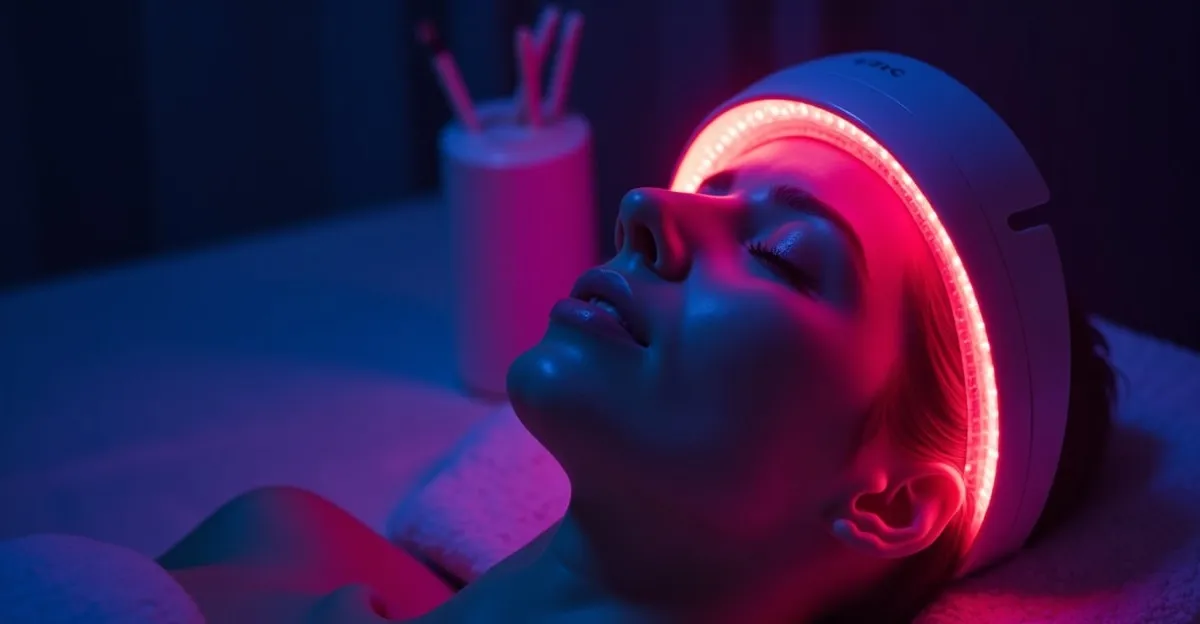
LED face masks have exploded on Malaysian Shopee and Lazada — scroll through any beauty section and you'll find dozens of options ranging from RM 50 knock-offs to RM 2,000 professional-grade devices. But behind the Instagram marketing and influencer endorsements, there's a legitimate question: do these things actually work?
The short answer is yes — but with important caveats about wavelength, power density, and treatment consistency. This guide breaks down the science, compares the best devices available in Malaysia, and helps you decide whether a home LED mask or clinic treatment is the better investment for your skin goals.
How LED Phototherapy Works
LED (Light Emitting Diode) phototherapy — also called photobiomodulation — uses specific wavelengths of light to trigger biological responses in skin cells. Unlike lasers, LED devices are non-ablative, meaning they don't damage the skin surface. Instead, they work at the cellular level.
The Cellular Mechanism
When specific wavelengths of light penetrate the skin, they're absorbed by chromophores — light-sensitive molecules within cells. The primary target is cytochrome c oxidase, a photoreceptor in the mitochondria (your cells' energy factories). This absorption triggers a cascade of effects:
- Increased ATP production — cells generate more energy for repair and regeneration
- Nitric oxide release — improves blood flow and reduces inflammation
- Reactive oxygen species (ROS) modulation — signals cellular repair pathways
- Gene expression changes — upregulates collagen synthesis, growth factors, and anti-inflammatory cytokines
Which Wavelengths Do What?
For a deeper dive into red light therapy specifically, see our Red Light Therapy for Face guide.
What Does the Science Say?
For Acne
The evidence for blue light (415nm) against acne is strong. A 2004 study in the British Journal of Dermatology found that blue light treatment reduced inflammatory acne lesions by 76% over 12 weeks. The mechanism is elegant: P. acnes bacteria produce porphyrins (light-sensitive molecules) that generate toxic oxygen species when exposed to blue light, killing the bacteria without antibiotics.
Combining blue light with red light (630nm) produces even better results — a 2006 study showed the combination reduced acne by 77% compared to 14% for benzoyl peroxide alone.
For Anti-Aging
A 2014 study in Photomedicine and Laser Surgery demonstrated that red light (630nm) treatment twice weekly for 30 sessions significantly improved skin complexion, collagen density, and skin roughness as measured by ultrasonography. Participants reported visible improvements in wrinkle depth and skin texture.
For Hyperpigmentation
The evidence for LED treating hyperpigmentation (a major concern for Malaysian skin types) is more mixed. Green light (530nm) shows promise in small studies for melasma, but the evidence isn't as robust as for acne or anti-aging. Red light can help with post-inflammatory hyperpigmentation by accelerating skin healing.
Best LED Face Masks Available in Malaysia (2026)
After researching devices available on Shopee, Lazada, and through Malaysian distributors, here are the top 5 options across different price points:
What Should You Buy?
Best overall: The CurrentBody Skin LED Mask is the gold standard for home use — FDA-cleared, clinically proven wavelengths, and sufficient power density to actually deliver results. Available through CurrentBody's international shipping to Malaysia.
Best budget: The Project E Beauty 7-Color Mask offers decent performance for its price point. While the power density is lower, consistent daily use can still produce results — it just takes longer (12-16 weeks vs 8-12).
Avoid: Ultra-cheap masks under RM 100. These typically have such low power output that the light barely penetrates the skin. The LEDs may look bright to your eyes, but brightness ≠ therapeutic power density.
Clinic vs Home LED Treatment in Malaysia
Professional LED panels used in clinics (like Dermalux, Omnilux, and Celluma) are significantly more powerful than home devices — typically 50-100+ mW/cm² compared to 5-35 mW/cm² for home masks.
Clinics in KL and Penang offering LED phototherapy include:
- KL: Klinik Dr Ting (Bangsar), Premier Clinic (TTDI & Bangsar), Clique Clinic (KLCC)
- Penang: Dr Ko Skin Specialist, Beverly Wilshire Medical Centre
- Session pricing: RM 150-500 depending on the panel used and whether LED is combined with other treatments
For complementary anti-aging approaches, explore our Anti-Aging Treatments Guide.
Treatment Protocols for Best Results
For Acne
- Wavelength: Blue (415nm) or blue + red combination
- Duration: 10-15 minutes per session
- Frequency: Daily for first 8 weeks, then 3-4x/week for maintenance
- Expected timeline: Noticeable reduction in 4-6 weeks, significant improvement by 12 weeks
For Anti-Aging / Collagen
- Wavelength: Red (630-660nm) + NIR (830-850nm)
- Duration: 15-20 minutes per session
- Frequency: 5-7x/week
- Expected timeline: Subtle glow improvement in 4 weeks, measurable collagen increase at 8-12 weeks
For Hyperpigmentation
- Wavelength: Green (530nm) + Red (630nm)
- Duration: 15 minutes per session
- Frequency: Daily
- Expected timeline: Gradual fading over 12-16 weeks; combine with topical vitamin C and SPF 50 for best results
For those also exploring skin brightening, our Glutathione Skin Brightening Guide covers complementary approaches.
Tips for Malaysian Users
- Always apply SPF after morning LED sessions — Malaysia's UV index is consistently high (9-12), and phototherapy can temporarily increase photosensitivity
- Use LED after cleansing but before serums — clean skin allows better light penetration; apply actives after treatment when skin absorption is enhanced
- Store devices in air-conditioned rooms — Malaysia's humidity can affect electronic components over time
- Don't combine with retinol on the same day initially — both stimulate cell turnover; start by alternating nights
The Bottom Line
LED face masks work — but they're not magic. The science is real, the results are measurable, and the safety profile is excellent. However, they require consistent daily use for months, and the cheaper the device, the longer it takes to see results due to lower power density.
For most Malaysians, a mid-range device (RM 600-1,000) used consistently will deliver meaningful improvements in skin quality over 8-12 weeks. If your primary concern is acne, a blue/red combination mask is your best bet. For anti-aging, prioritize red + NIR wavelengths.
Think of LED therapy as the slow, steady foundation of your skincare routine — not a replacement for sunscreen, retinoids, or professional treatments, but a powerful complement that works at the cellular level where real change happens.
Frequently Asked Questions
Are LED face masks safe for darker skin tones?
Yes. Unlike IPL or certain laser treatments that target melanin (and can cause burns or hyperpigmentation in darker skin), LED phototherapy does not target melanin. It's safe for all skin tones, including Fitzpatrick types IV-VI common among Malaysians. This is one of LED therapy's biggest advantages over other light-based treatments.
Can I use an LED mask every day?
Yes, daily use is generally safe and recommended for best results. Most clinical studies used daily or near-daily treatment protocols. Some high-powered devices may recommend every other day — follow the manufacturer's guidelines. There's no evidence that daily use causes damage.
Why are some LED masks RM 100 and others RM 2,000?
The primary difference is power density (irradiance). Cheap masks use low-power LEDs that produce visible light but deliver insufficient energy to trigger meaningful cellular changes. Premium masks use medical-grade LEDs with verified wavelengths and adequate power output. The difference is like comparing a candle to a spotlight — both produce light, but the therapeutic effect depends on intensity.
Can LED therapy replace Botox or fillers?
No. LED therapy stimulates collagen production and improves skin quality over time, but it cannot replicate the muscle-relaxing effect of Botox or the volume restoration of fillers. Think of LED as a complement to these treatments — it can help maintain results and improve overall skin health between professional treatments.
Do I need to wear eye protection?
For blue light, yes — it can be uncomfortable and potentially harmful to eyes with prolonged direct exposure. Most quality LED masks include built-in eye shields or come with goggles. For red and NIR light, the risk is lower, but it's still best practice to keep eyes closed during treatment. Never stare directly at LED lights during use.
See Also
- Best Peptides for Recovery & Injury Healing in 2026 — Ranked guide to the best recovery peptides — BPC-157, TB-500, GHK-Cu, KPV, an...
- Exosome Therapy Malaysia: Costs, Clinics & Results — Everything you need to know about exosome therapy in Malaysia — costs, clinic...
- GHK-Cu Peptide: Skin, Hair & Healing Benefits Guide — Complete guide to GHK-Cu copper peptide — skin rejuvenation, wound healing, h...
Related Articles
- Glutathione Drip Malaysia: Price, Benefits & Best Clinics (2026)
- Skin Whitening Treatments Malaysia: Complete Guide & Price Comparison
- Hair Loss Treatment Malaysia: PRP, Minoxidil, Exosomes & More (2026)
Medical Disclaimer: This content is for informational purposes only and does not constitute medical advice. Always consult a qualified healthcare provider before starting any treatment, supplement regimen, or making changes to your health routine. Individual results may vary, and what works for others may not work for you.